

how to plan a destination wedding in italy
How to Plan a Destination Wedding in Italy (2027 Step-by-Step Guide)
Planning a destination wedding in Italy can feel like a lot. Paperwork in another language. Venues you’ve only seen on a screen. Guests flying in from three countries. This guide breaks it down into clear steps – from choosing your region to the last hour of your wedding day.
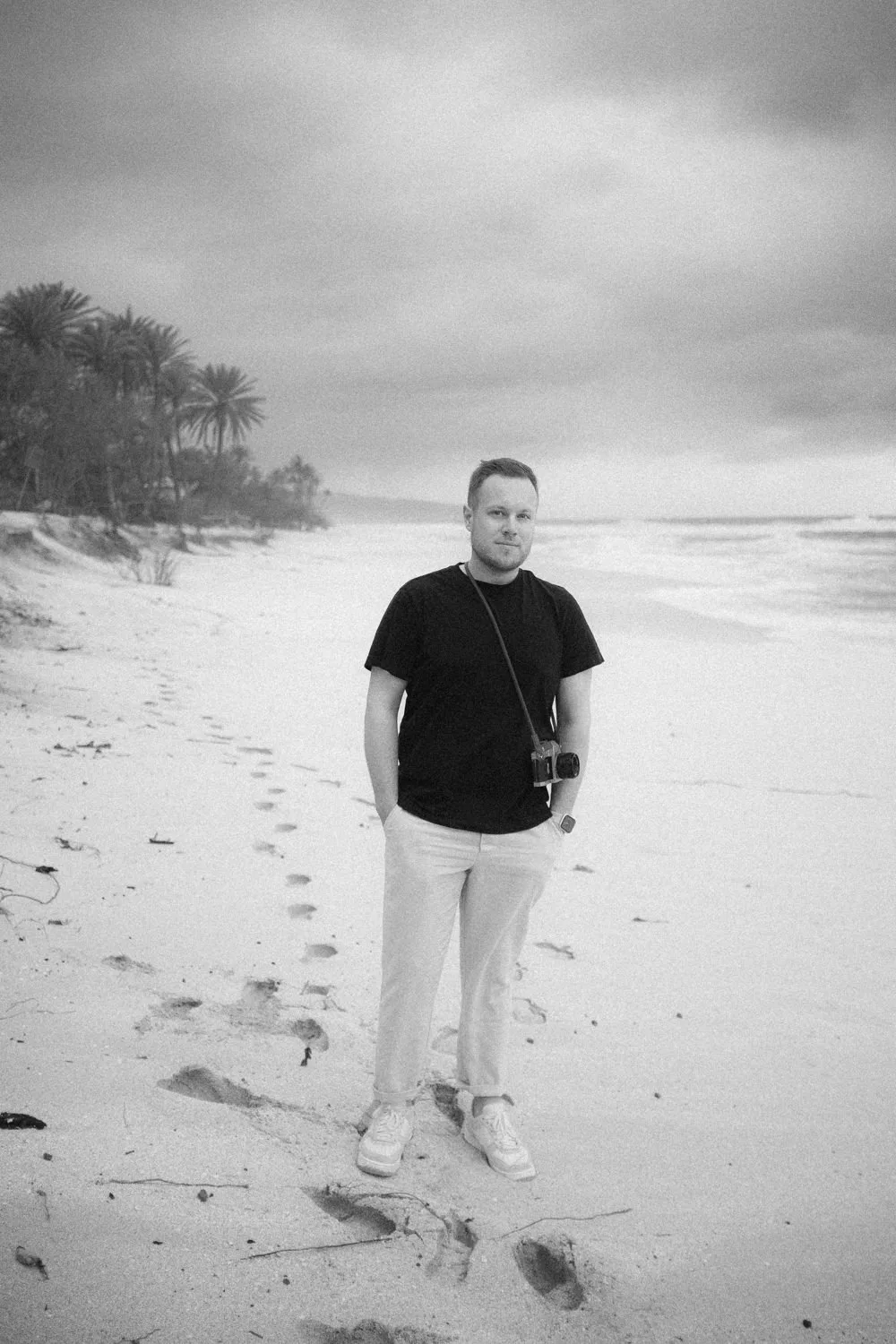
I’m Sebastian, a documentary destination wedding photographer working across Italy. I photograph the big moments and the quiet ones in between – for couples who celebrate their way.
Italy gives you almost everything at once: landscape, art, food, wine. A ceremony between Tuscan vineyards. An intimate wedding on the Amalfi Coast. A grand evening in a Venetian palazzo like Ca’ Sagredo, right on the Grand Canal. Each of them needs careful preparation – and after many weddings in Italy and the countries around it, here’s what I’ve learned, step by step.

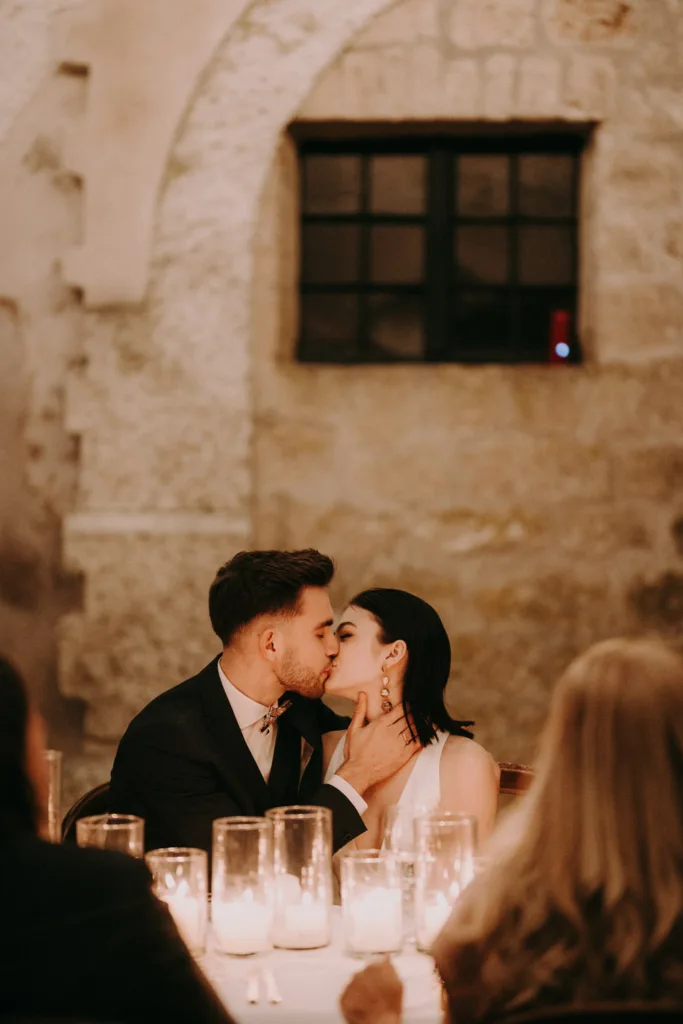
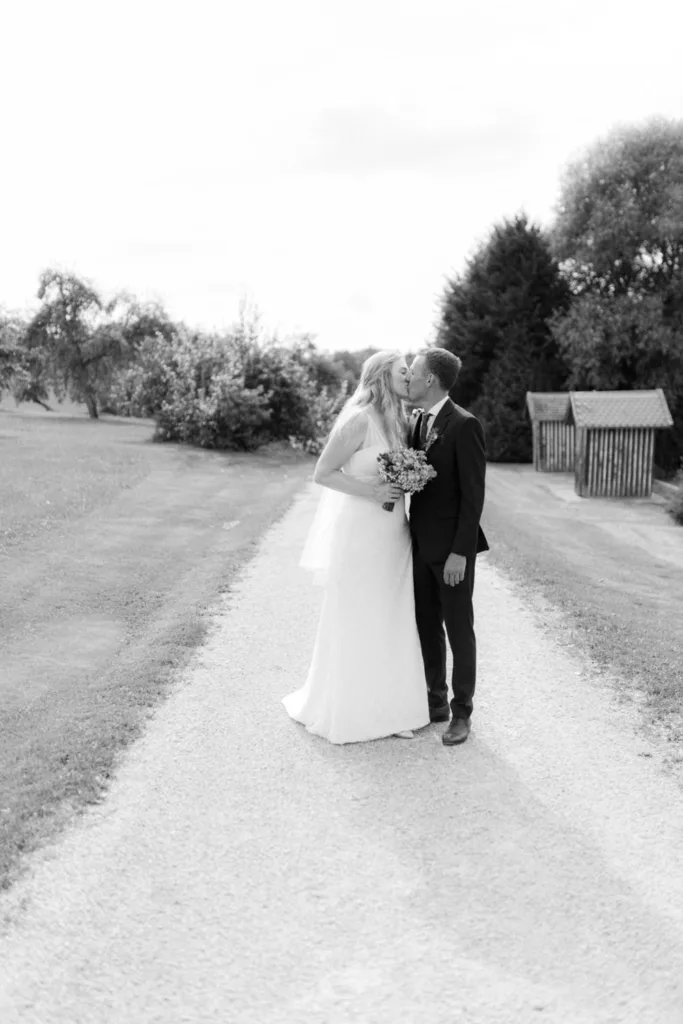
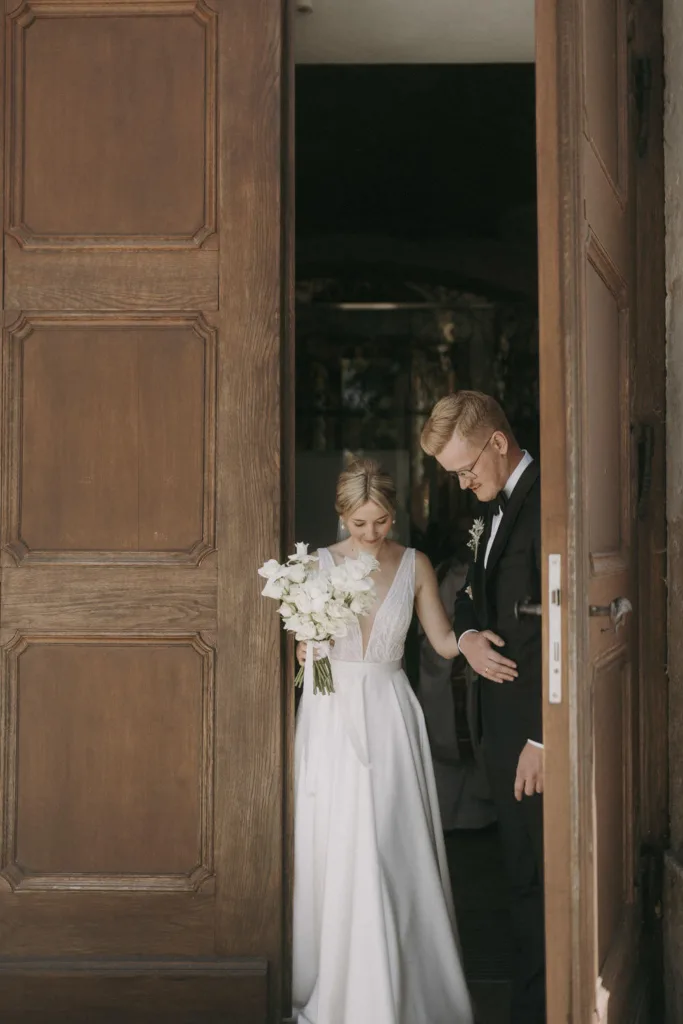

LOVE
Your Italy Destination Wedding Planning Timeline (18 Months to 1 Week)
Most couples underestimate one thing: time. Popular venues in Italy are booked 12 to 18 months ahead, and paperwork always takes longer than you think. Here’s the rhythm that works for the couples I photograph.
18–12 months before: Choose your region, set your budget, find a planner and book your venue – and your photographer, who often books out just as early.
12–9 months before: Finalise your guest list, send save-the-dates and reserve hotel blocks or villas nearby.
9–6 months before: Launch your wedding website. Book catering, flowers, music and transfers.
6–3 months before: Send invitations, start your legal paperwork and plan your welcome dinner.
3–1 months before: Menu tasting, seating plan and a wedding-day timeline shared with every vendor who is involved at your wedding.
The last week: Pack the essentials in your carry-on, confirm all transfers, hand the rest to your planner and most important – enjoy your wedding weekend in Italy!
One note on paperwork: some documents are only valid for a few months. Start early – but not too early.
How to Plan a Destination Wedding in Italy (Step-by-Step)
1. Choose your region (Tuscany, Lake Como, Puglia…)
Italy is many countries in one. Each region has its own light, its own landscape, its own way of celebrating. These are the ones couples ask me about most.
TUSCANY
Rolling hills, lonely farmhouses and world-class wine at almost every venue. Add medieval towns like San Gimignano and Renaissance villas around Florence, and you have Italy’s classic wedding region.
LAKE GARDA
Italy’s largest lake, framed by olive groves, vineyards and mountains. From historic villas and the Isola del Garda to quiet lakeside estates, you’ll find almost every kind of venue here. The evening light over the water is something I never get tired of.
SICILY
A land of contrasts. Dramatic coastlines, baroque towns and warm Mediterranean light make it one of Italy’s most atmospheric settings. Seaside villas and secluded estates – for weddings that feel rooted and real.
LAKE COMO
Italy’s most refined lake. Steep mountains, historic villas, water at every turn. Elegant, cinematic – and still surprisingly intimate.
PUGLIA
Whitewashed villages, masserias, olive groves and long coastlines. Simple, sun-warmed and full of character – made for relaxed, long-table celebrations.
SOUTH TYROL
Alpine peaks, meadows, castles and wine estates, with Italian warmth and a little Austrian precision. For couples who want mountains instead of the sea.
Whichever region you choose, think about the season first. Spring and autumn are the favourites almost everywhere – mild, green, golden. Midsummer can get very hot, especially in Tuscany and the south. In the Dolomites, the wedding season runs from late April to late October.
2. How much does a destination wedding in Italy cost?
A destination wedding comes with costs a wedding at home doesn’t have: travel, accommodation, transfers between venues. Realistically, budgets start around €25,000 for an intimate celebration and can reach €100,000 or more for a multi-day event. Plan these three things early:
- Your overall wedding budget – and what’s flexible within it.
- Your guest count. Who can realistically travel to Italy? I always tell my couples: invite the people you’d happily spend a whole weekend with.
- The big blocks: venue, catering and transport – from the airport, and between venues if you celebrate over several days.
Budget matters. But so does the one thing you’d regret cutting.
3. Set your priorities
Before you spend a single euro, decide what matters most. I ask couples to rank the big components: venue, design, food and wine, music, activities for guests. The venue usually shapes everything else – so it often ends up first. Then ask yourselves: what are the three things we can’t live without? The dress. A great vintage at dinner. A dance floor that never empties. A venue all to yourselves. Whatever makes your heart beat faster goes to the top – and gets the budget.
4. Legal requirements for getting married in Italy
Getting married in Italy as a foreigner can sometimes be a little bit complex and involves specific paperwork. The Requirements vary depending on your nationality, but typically these things are always include:
- Valid passports for both of you
- Birth certificates, translated into Italian (often with an apostille)
- A nulla osta – a certificate of no impediment to marry
- A sworn declaration at the local town hall (comune) before the ceremony
- An interpreter, if one of you doesn’t speak Italian (not needed for a symbolic ceremony)
- For a church wedding: additional church documents – and, depending on the church, a civil ceremony beforehand
Work with your embassy or your planner to get everything right and on time. Many couples skip the paperwork altogether: they marry legally at home and celebrate a symbolic ceremony in Italy.
5. How to find the right destination wedding planner in Italy
A local planner or destination wedding planner with real experience in your region can change everything. Language, customs, vendors, logistics – they handle what’s hardest to do from abroad. Planners in Italy usually work in one of two ways: full-service planning, from the first venue visit to the last dance, or coordination for couples who’ve organised most of it themselves. Fees are either a flat rate or a percentage of your overall budget. Ask early, so you can plan with it.
What a good planner does for you:
WEDDING VENDORS
finds florists, caterers, photographers and videographers who fit your vision and your budget.
VENUES
shortlists locations that match your brief, uncovers hidden costs and organises site visits.
THE DAY ITSELF
builds the timeline, coordinates every vendor and solves problems before you notice them.
LOCAL INSIGHT
customs, traditions and the small things that make a wedding feel truly Italian.
Questions to ask in your first call:
– How many weddings have you planned in our region?
– Do you work in English – with us and with every vendor?
– Full service or coordination – and what exactly is included?
– How do you charge: flat fee or percentage?
– Can we talk to couples you’ve worked with?
6. Planning a wedding in Italy from abroad
Most couples marrying in Italy plan from somewhere else – London, New York, Munich. It works, with a few good habits. Do as much as you can over video calls: venues, planners and vendors are used to it. Then plan one scouting trip and see two or three venues in a single weekend – photos never tell you how a place sounds, or how it feels at sunset. Give your guests one place for every detail, ideally a wedding website. And keep one person on the ground you trust completely – usually your planner.
7. Book your venue early
Italy is one of the most sought-after wedding destinations in the world. Book your venue 12 to 18 months ahead to have a real choice. You’ll find four main types:
- Historic villas – on Lake Como, Lake Garda or in the Tuscan hills
- Renaissance palazzi – around Florence, Verona and beyond
- Countryside estates and agriturismi – in Tuscany, around Lake Garda, in South Tyrol
- Seaside resorts – on the Amalfi Coast, in Sicily or along the Tuscan coast
8. Plan accommodation and transport for your guests
Your guests are travelling for you – make it easy for them. Many venues can host everyone on site, or have partner hotels and villas close by, so you’re all together for the weekend. A wedding website gives your guests one place for every detail.
- Book hotel blocks or villas near the venue to avoid long drives
- Organise airport transfers and local transport
- Share routes and maps so everyone finds their way
9. Add a little Italy to your wedding
Give your guests a few moments that could only happen here.
FOOD
Fresh pasta, risotto, real Neapolitan pizza, tiramisù. Simple, regional, perfect.
DRINKS
Local wines from your region, an Aperol or Limoncello Spritz at the aperitivo – or your own signature drink with regional ingredients.
MUSIC
An Italian duo at your welcome dinner or pizza party. Trust me: your guests will dance. Live opera is possible, too.
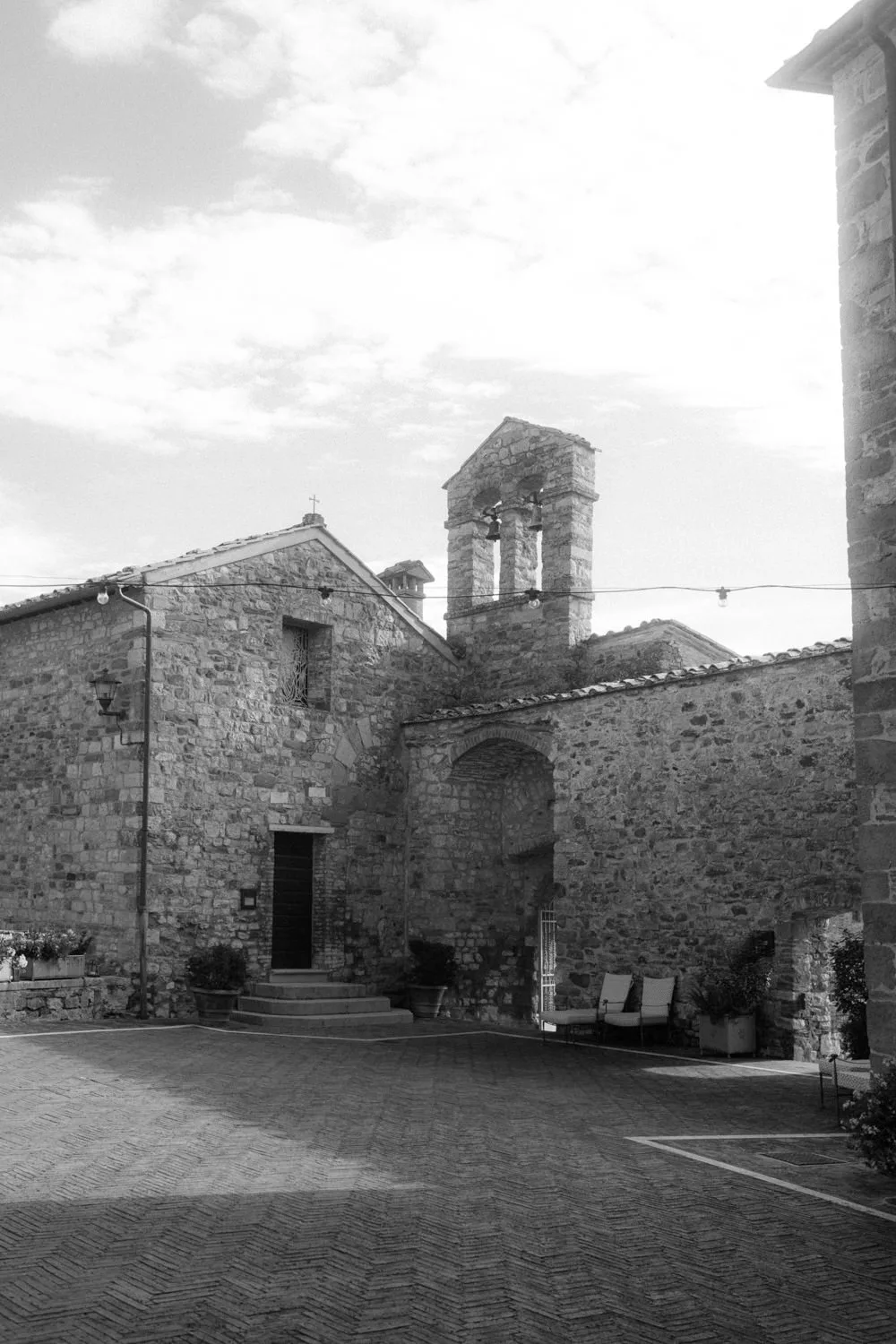

10. Plan pre- and post-wedding activities
A wedding weekend in Italy is more than one day. Many venues offer activities that let your guests truly arrive – and give you time with everyone before the big day.
- Wine tasting in Tuscany
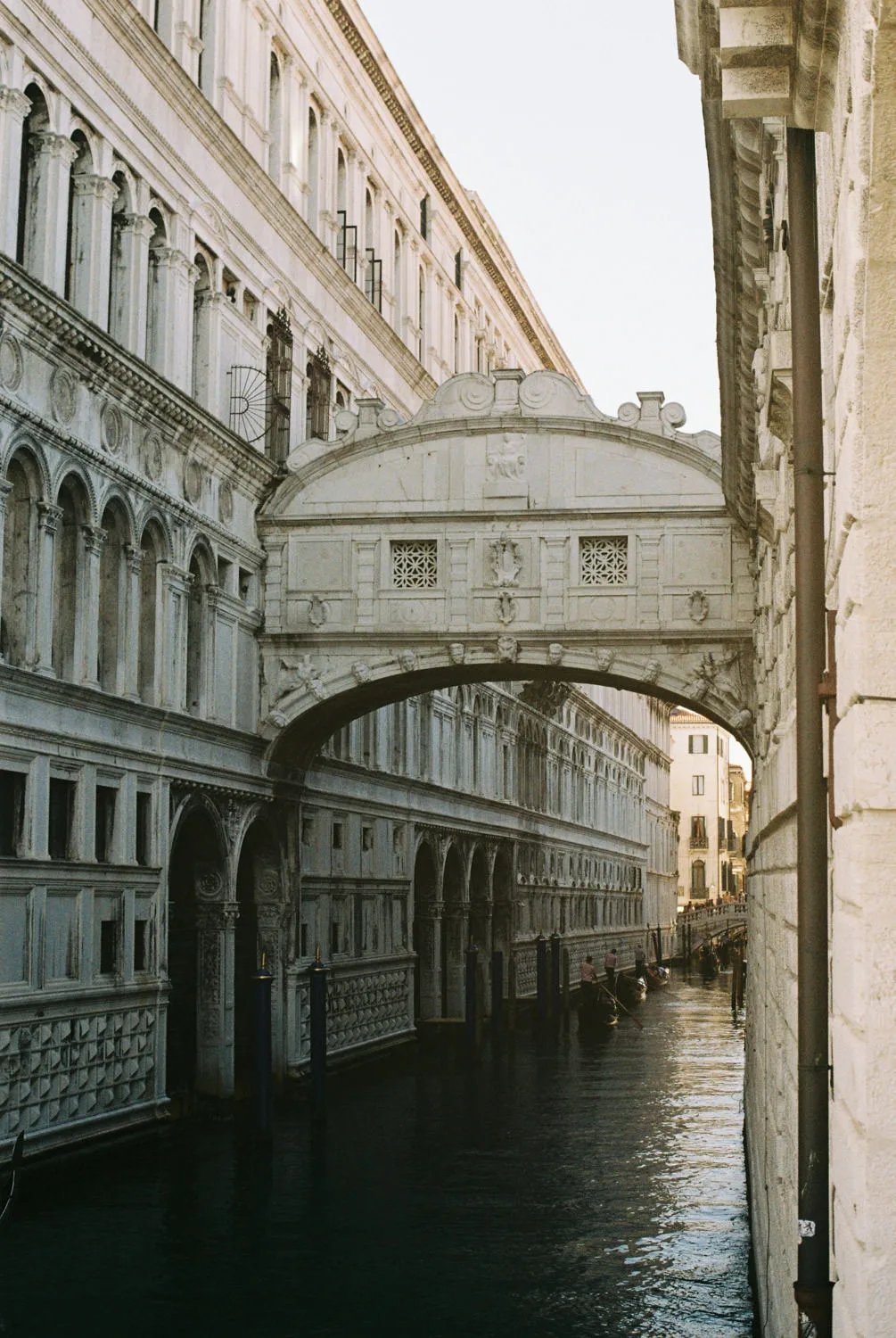
- A gondola ride in Venice – ideally just before sunset
- Day trips to the Arena di Verona or San Gimignano
- Slow days on the beaches of Capri or the Amalfi Coast
- A sailing yacht on Lake Garda for your rehearsal dinner
11. Your wedding day timeline – what no one tells you
Build a timeline for every part of your weekend. Always plan a buffer. And if you don’t have a planner, ask your vendors – they’ve done this many times.
Guest arrivals and departures
- Share the schedule digitally and on paper
- Keep events short enough that guests can rest after travelling
- Help with travel tips: airports, train stations, parking if they drive
Welcome dinner / rehearsal dinner
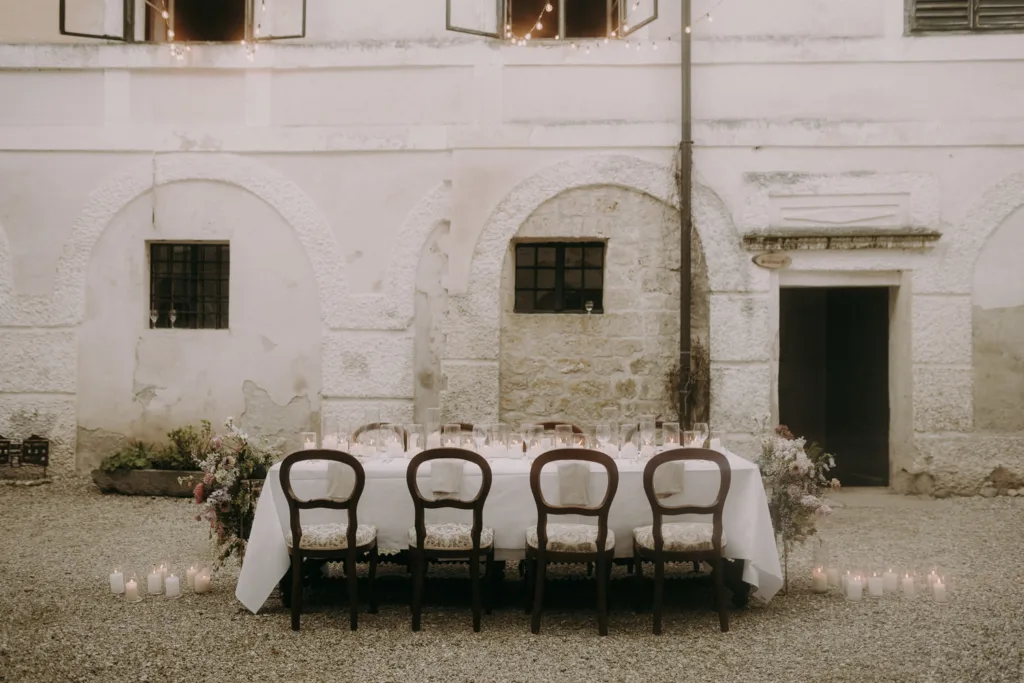
The evening before the wedding is the perfect start. Guests meet, the first glass is poured, everyone arrives – in every sense.
- The evening before your wedding, around 2–4 hours
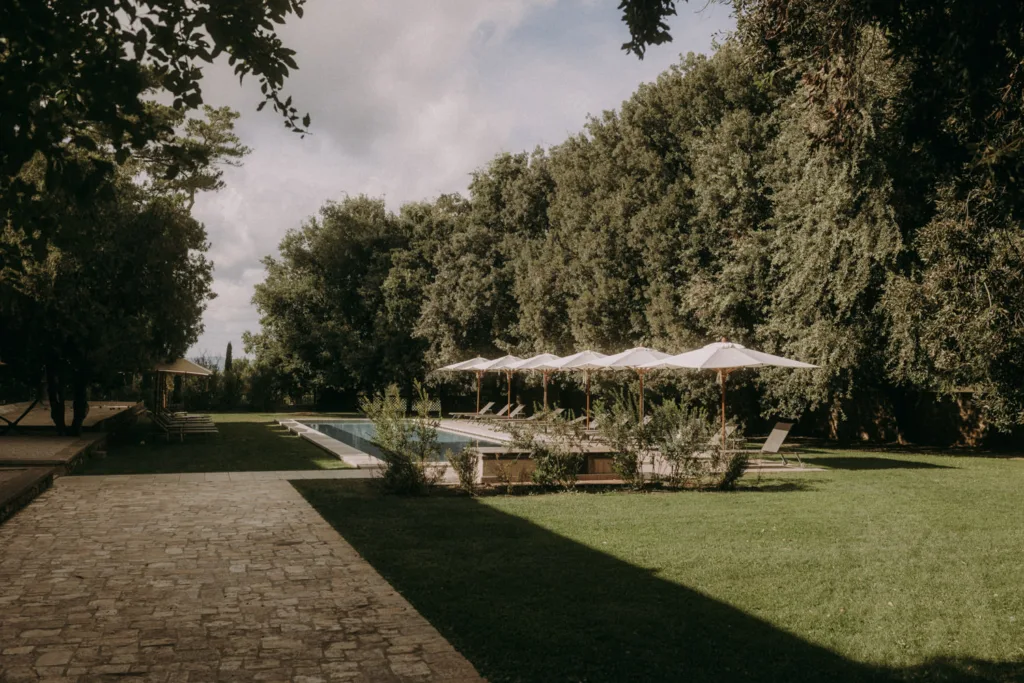
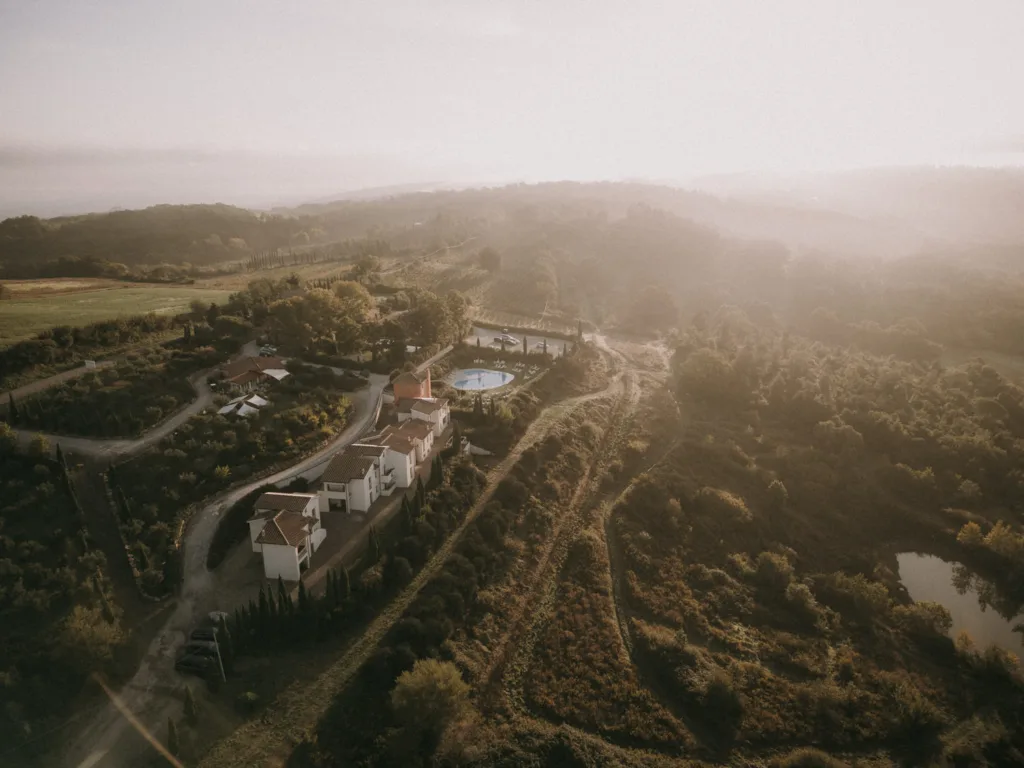
- At the venue or nearby – but don’t reveal your wedding setting too early. La Pescaia Resort, for example, has a separate space for the welcome evening that keeps the main venue a surprise.
Vendor arrivals
Give your vendors their own timeline. Ask each of them how much time they need and build it in – your planner usually does this for you.
- Ask your photographer and videographer whether they’d like to arrive earlier, e.g. for drone footage
- Add 30 minutes of buffer to everything
Getting ready
For me, getting ready is where your wedding story begins. Some couples spend it alone, some with their mothers, some with their whole wedding party. There’s no wrong way.
- Plan about 2 hours for each of you
- Lay out the details – stationery, jewellery, rings – for your photographer
- Choose a bright bridal suite or a large room with daylight. I’m not a fan of getting ready away from the venue: most stylists come to you anyway.
Ceremony and reception
The ceremony is often the first time you see each other – unless you choose a first look. Think about the light: hard midday sun means harsh shadows, squinting and maybe even sunburn.
- 1 to 1.5 hours for the ceremony
- About 4 hours for the reception
- Use 10–15 minutes during the aperitivo for family photos. Keep the reception long enough for everything – and short enough that nobody gets bored.
FAQ
MEET
SEBASTIAN
YOUR ITALY DESTINATION WEDDING PHOTOGRAPHER
I photograph destination weddings in Italy the way they really happen. The raw emotions, the big moments and the quiet ones in between. I love design, aesthetics and simplicity – and couples who celebrate without performing. In front of my camera, you can simply be yourselves. Close. Familiar. Unposed. Let’s talk about your wedding in Italy.
READY TO
CONNECT?
Let’s start with a short call – FaceTime, Google Meet or Zoom – and talk about your vision for your wedding in Italy.