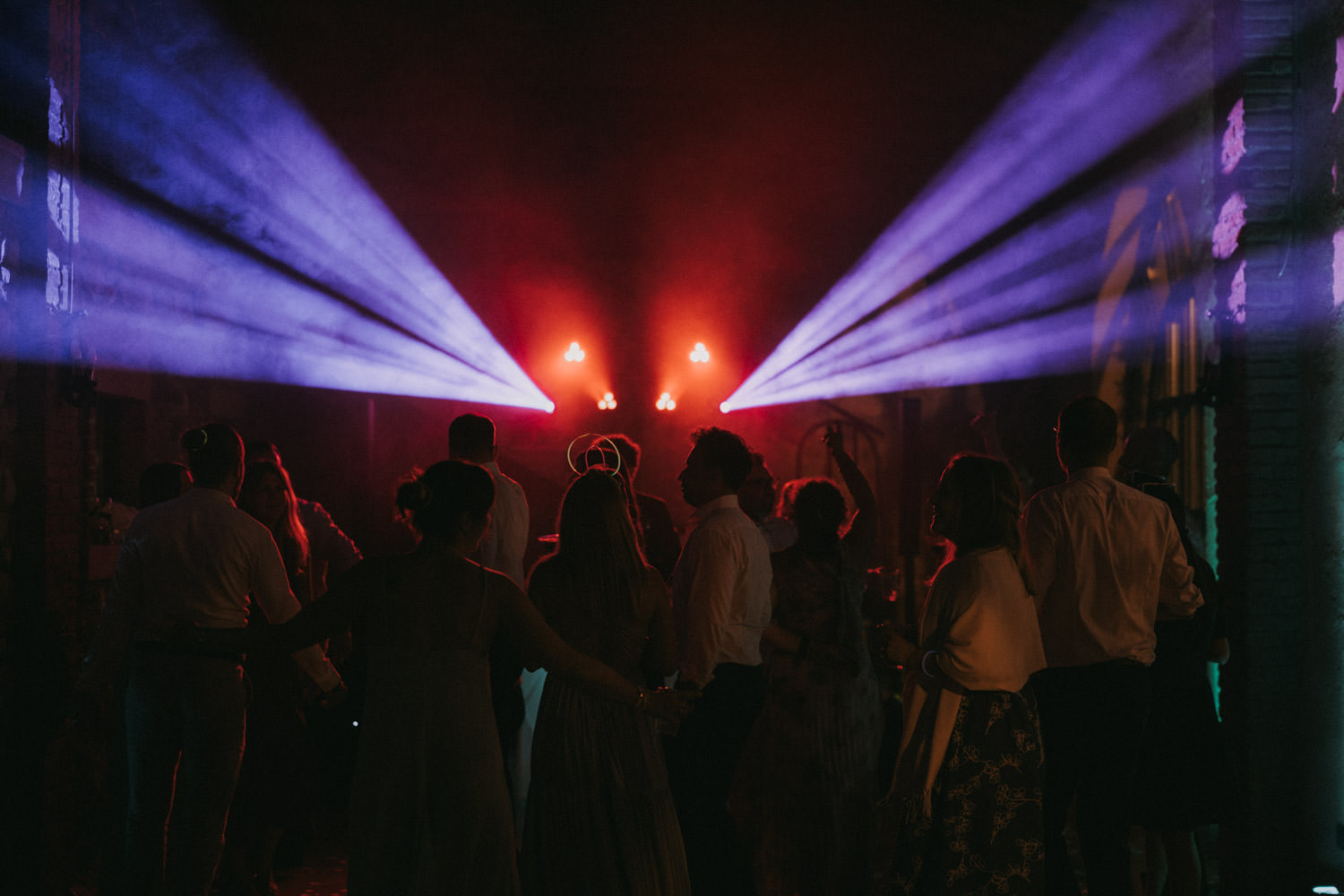
10 Common Destination Wedding Mistakes to Avoid
“10 Common Destination Wedding Mistakes to Avoid”
A destination wedding is more than a celebration abroad — it’s an experience shaped by emotion, design, and intention. It’s a choice to create something meaningful in a place that reflects your aesthetic sensibility and the quiet, refined way you love each other. But even with a thoughtful heart and a beautifully curated Pinterest board, planning from afar can introduce unexpected challenges.
As a Destination Wedding Photographer who works closely with couples who value authenticity, subtle elegance, and honest documentary imagery, I’ve witnessed how a few strategic decisions can elevate your entire experience. This guide is here to help you avoid common mistakes, so you can move through the planning process with clarity, confidence, and a deep sense of calm.
1. Choosing a Venue Before Defining your Vision
It’s easy to fall for a venue simply because it’s beautiful — a cliffside terrace in Amalfi, a rustic finca in Mallorca, an old villa in Provence. But surface-level beauty doesn’t always reflect the emotional atmosphere you’re craving.
Before you commit, sit with your vision:
Do you imagine architectural lines or soft landscapes? A modern, minimal space or something historic and textural? Light-filled mornings or warm, moody evenings?
When your vision is defined first, every decision becomes aligned — venue, design, timeline, photography. And when your surroundings mirror your aesthetic values, your Destination Wedding Photographer can document your story with ease, authenticity, and a visual coherence that feels deeply “you.”

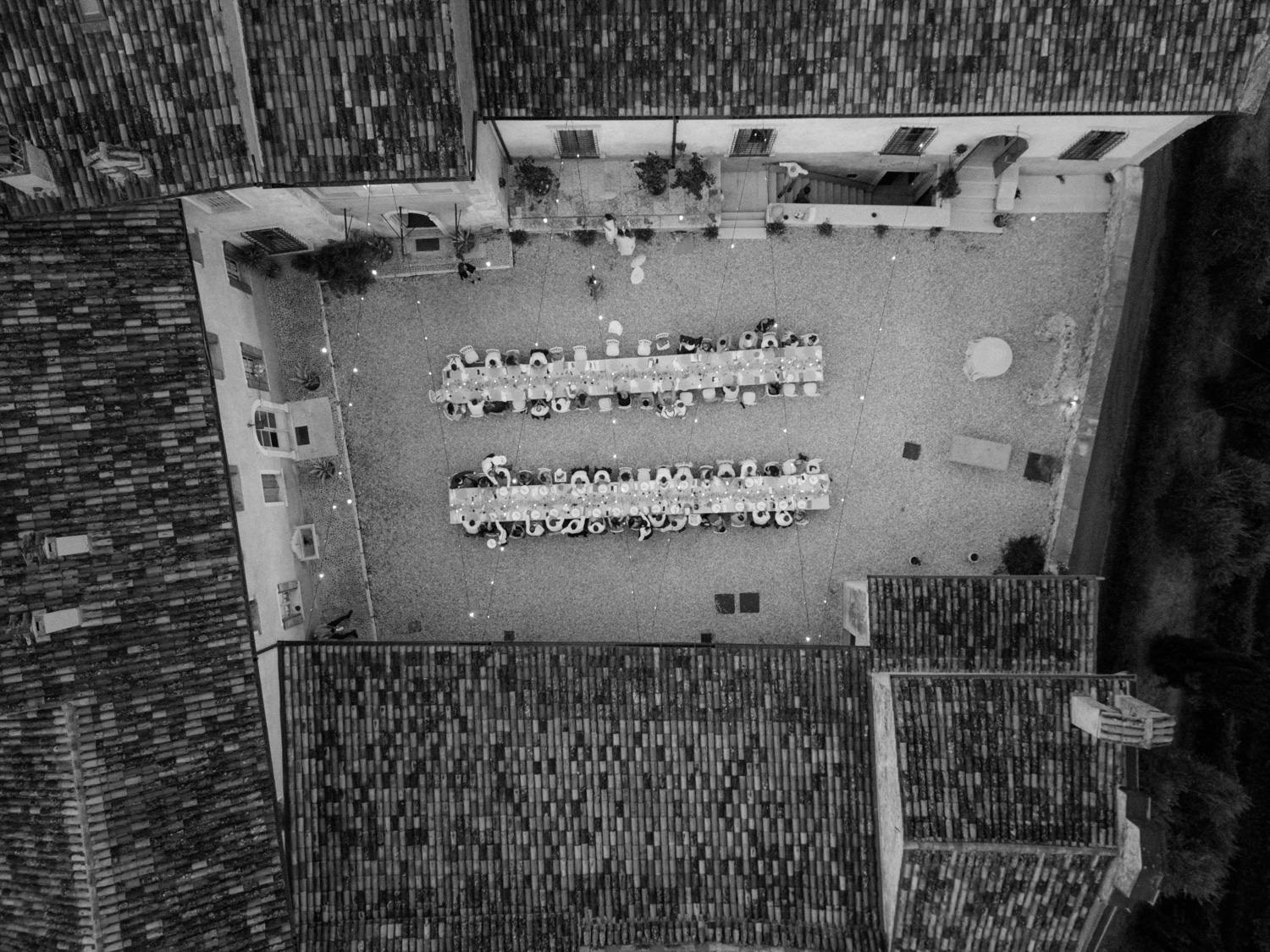
2. Underestimating the Importance of Natural Light
Light is the quiet storyteller behind every meaningful photograph. It influences texture, emotion, atmosphere — and ultimately, how you remember your day. Many couples overlook how their venue behaves in different lighting conditions.
A terrace might be breathtaking at golden hour but harsh and squinty at midday. An indoor space may appear elegant in photos online but feel dark in reality, requiring extensive artificial light.
Discuss sunrise, sunset, and shadow patterns with your photographer. If possible, ask for venue photos taken at different times of day. A ceremony timed for open shade or soft late afternoon light can dramatically elevate the visual tone of your wedding.
Natural light doesn’t just create beautiful images — it creates ease. And ease always translates into authenticity.
3. Assuming Local Vendors Understand Your Aesthetic
Every destination has its own cultural style of wedding design, beauty, and photography. This can be charming, but it doesn’t always align with refined minimalism, editorial textures, or art-driven intentionality.
You aren’t looking for cookie-cutter wedding visuals. You’re looking for something intimate, elegant, and emotionally grounded.
Interview vendors thoroughly. Look for creatives whose portfolios reflect your values:
— honest emotion
— tasteful restraint
— intentional composition
— an ability to work with natural elements
— sensitivity to documentary-style storytelling
When everyone shares the same aesthetic language, your celebration becomes an effortless extension of your identity.
When everyone shares the same aesthetic language, your celebration becomes an effortless extension of your identity.
4. Forgetting to Build Space Into the Schedule
One of the biggest mistakes couples make is underestimating how much time things take abroad — from navigating narrow streets to organizing transportation, adjusting to slower local rhythms, or simply transitioning between locations.
A spacious timeline allows you to breathe, be present, and enjoy the atmosphere you worked so hard to create.
Slow bridal preparation gives you space to feel grounded instead of rushed.
A generous ceremony window allows for emotion, not performance.
Unhurried transitions create room for spontaneous, documentary moments — the ones you’ll treasure most.
A relaxed schedule is one of the strongest foundations for beautiful, natural photography.
5. Ignoring How Weather Shapes the Mood and your Photos
Weather isn’t a disruption — it’s part of the destination’s identity. Coastal winds, gentle mist, bright Mediterranean sunlight, or dramatic mountain clouds each carry their own visual poetry.
The mistake isn’t the weather itself; it’s failing to plan for it.
Choose fabrics that move well in the wind, consider elegant shawls or covers for cooler evenings, and don’t shy away from embracing atmospheric conditions. Rain can create cinematic reflections. Wind gives motion and softness. Mist creates an ethereal, painterly tone.
When you lean into the environment rather than resist it, your imagery becomes layered, expressive, and beautifully true to the place where you chose to marry.
6. Not Planning for Guest Experience Across Several Days
A destination wedding isn’t a single event — it’s a small journey shared with the people you love most. Guests travel long distances, often across time zones, and appreciate structure as much as freedom.
Thoughtful multi-day planning enhances not only their experience, but the emotional tone of your wedding. A welcome dinner helps guests settle in and feel connected. Free mornings allow for rest. A cultural activity introduces them to the soul of the destination.
When guests feel grounded and cared for, the atmosphere becomes warm, calm, and emotionally rich — exactly the environment that translates effortlessly into organic documentary imagery.
7. Overloading your Design with Trends
Beautiful design is about restraint, harmony, and timelessness — especially in destinations with strong character.
The mistake many couples make is layering trends on top of a naturally stunning environment, causing visual overwhelm.
You don’t need elaborate installations or excessive décor. Instead, focus on:
— natural materials
— local florals
— muted, elegant palettes
— handcrafted or regional details
Design should serve the location, not compete with it. And when your setting is allowed to shine, your photographs feel grounded, authentic, and enduring.




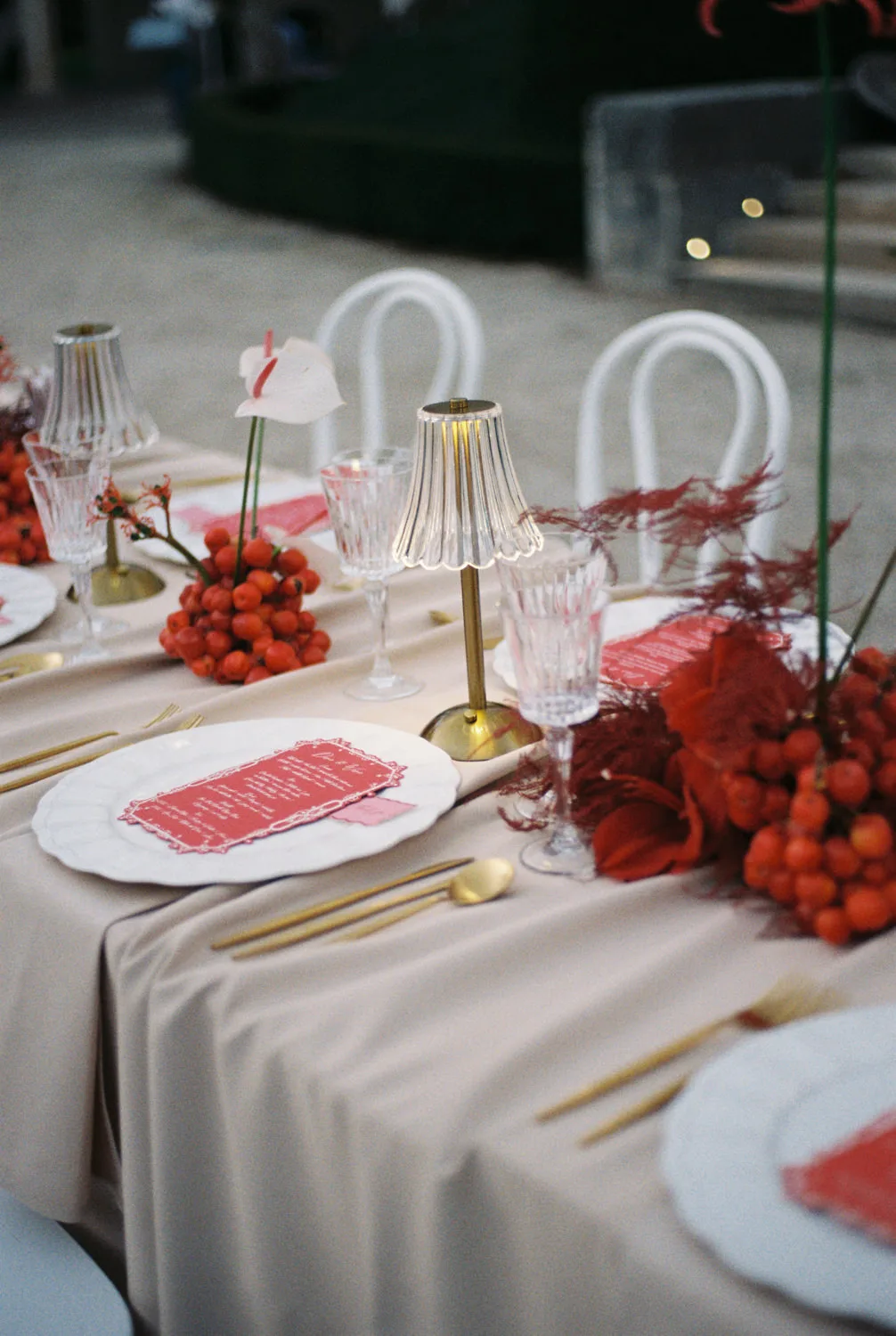
8. Expecting Everything to Run Like a Local Wedding
Every culture moves at its own rhythm. In Italy, meals linger. In Mexico, events flow with warmth and spontaneity. In France, service is refined but unhurried. Trying to impose a rigid structure on a destination often leads to unnecessary stress.
Embrace the local pace. Let the environment set the tone.
This creates space for genuine emotion and connection — and results in images that feel alive, unforced, and true to your location.
9. Overlooking the Value of a Photographer Experience in Travel
Destination weddings involve logistics far beyond local celebrations: scouting unfamiliar locations, adjusting to ever-changing light, navigating language differences, preparing for weather shifts, coordinating multiple events — all while documenting naturally, unobtrusively, and artfully.
A experienced destination wedding photographer experienced in travel brings calmness, structure, and adaptability. They know how to create emotional safety in unfamiliar spaces, how to find the best light anywhere, and how to guide gently without interrupting authenticity.
This experience directly influences the quality and truth of your images.
10. Forgetting to Plan for Quiet Time Together
A destination wedding is full of movement — travel, guests, logistics, celebration. But the most meaningful moments often happen when everything slows.
Plan intentional pauses: a secluded walk after the ceremony, five minutes alone before entering the reception, a sunset moment overlooking the landscape. These private breaths create emotional depth — and often become the most artful, intimate frames of your entire collection.
If you’re seeking a destination wedding photographer who avoids mistakes, values presence, emotion, and authenticity, I’d love to hear your story.